

However, the valley undergoes significant changes with the seasons. Sometimes it’s peaceful and green, while at other times it’s buried in snow, and occasionally the roads simply vanish altogether. So, from late spring to early autumn (May to October), it is the best time to visit Spiti Valley. This is the most popular and best season to visit the Spiti Valley.
On the other hand, winter (November to March) turns Spiti into a beautiful snow-covered wonderland, making it a great time for a Spiti tour. But, with limited access and freezing temperatures, it’s really only for those who love a challenge and are up for an adventure.
Let us explore the best time to go to Spiti Valley for your next adventure. Each season unveils a different version of this place and helps you carry a new picture in your mind.
Peak Season in Spiti Valley (May – June)
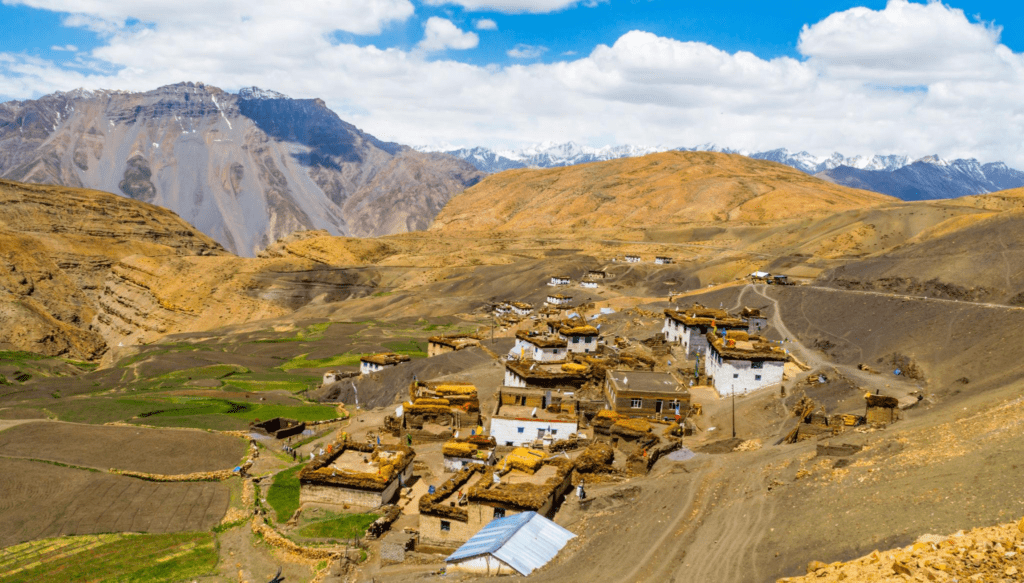
The peak season in Spiti Valley falls between May and June, when the region becomes accessible and welcoming to travelers. During this time, both the Shimla–Kaza and Manali–Kaza routes gradually open, making it easier to complete the popular Spiti circuit. For many travelers, this is considered the best time to visit Spiti Valley.
Spiti Valley in summer is perfect for sightseeing, trekking, camping, and photography. Villages are active, homestays operate at full capacity, and major attractions like Key Monastery, Chandratal Lake, and Hikkim Village are fully accessible.
If you’re craving adventure, this is also the best time to visit Spiti Valley on a bike. Riding through high-altitude desert landscapes with snow-capped peaks in the background becomes a once-in-a-lifetime experience.
Temperature
Daytime: 12°C to 22°C
Nighttime: -1°C to 7°C
Activities
Monastery visits, camping at Chandratal, village walks, trekking, exploring Pin Valley National Park, stargazing, local festivals, and authentic Spitian cuisine.
Month-by-Month (Spiti Valley in Summer)
- June: Freshly opened roads, fewer crowds, snow still visible at higher passes
- July – August: Lush lower valleys, busiest travel period
- September: Clear skies, fewer tourists, stunning post-monsoon glow
Pros
All roads open, pleasant weather, ideal for road trips, complete cultural experience
Cons
Higher prices, more tourists, limited snow views
What to Pack
Layered clothing, sturdy footwear, sunscreen, sunglasses, power bank, medical kit, and valid ID documents.
🍂 Shoulder Season (July – October)
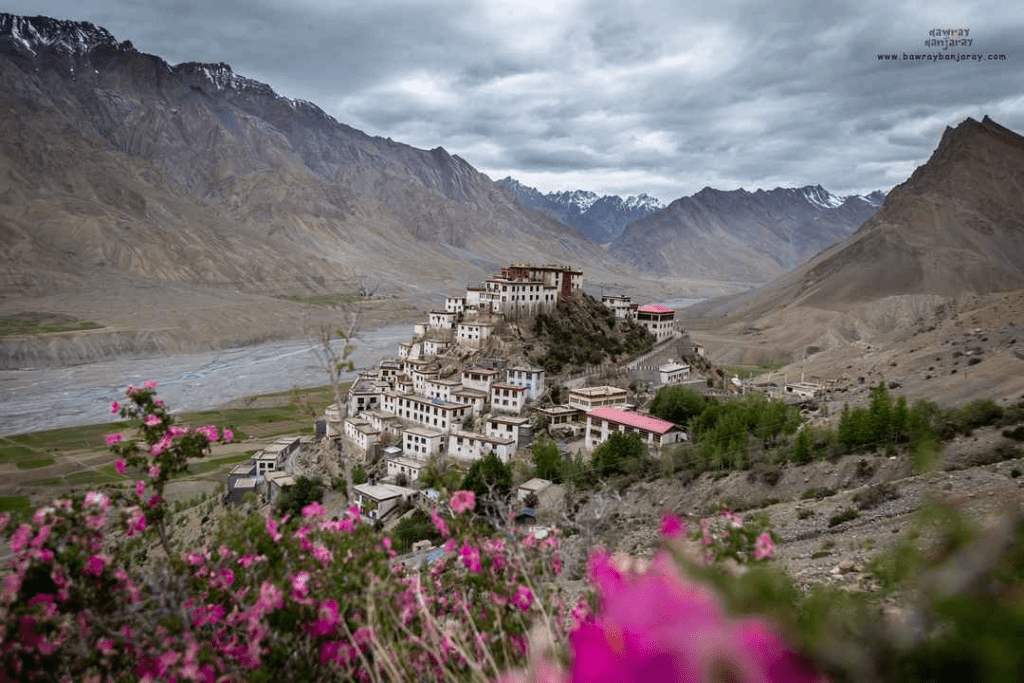
The shoulder season in Spiti Valley refers to July through October, just before and after the busiest summer rush. These months offer a quieter and more authentic version of Spiti, often secretly considered the best season to visit Spiti Valley by seasoned travelers.
This is an excellent time for bikers who want scenic beauty without heavy tourist traffic. You get more meaningful interactions with locals, flexible itineraries, and peaceful monastery visits.
Although rainfall is limited in Spiti due to its cold desert climate, occasional disruptions can occur on connecting highways from Manali.
Temperature
Daytime: 10°C to 20°C
Nighttime: 0°C to 6°C
Activities
Photography, short treks, monastery visits, village exploration, and road trips.
Month-by-Month (Spiti Valley in Monsoon)
- July: Occasional rain in approach roads, lush surroundings
- August: Dramatic skies, excellent photography conditions
- September: Clear weather, cooler nights, peaceful travel
- October: Crisp air, golden hues, very low tourist numbers
Pros
Fewer crowds, lower accommodation rates, dramatic landscapes
Cons
Unpredictable road conditions, colder evenings, some homestays may close early
What to Pack
Weatherproof jackets, woolen layers, trekking shoes, high-energy snacks, permits, and essential documents.
Off-Season (November – March)
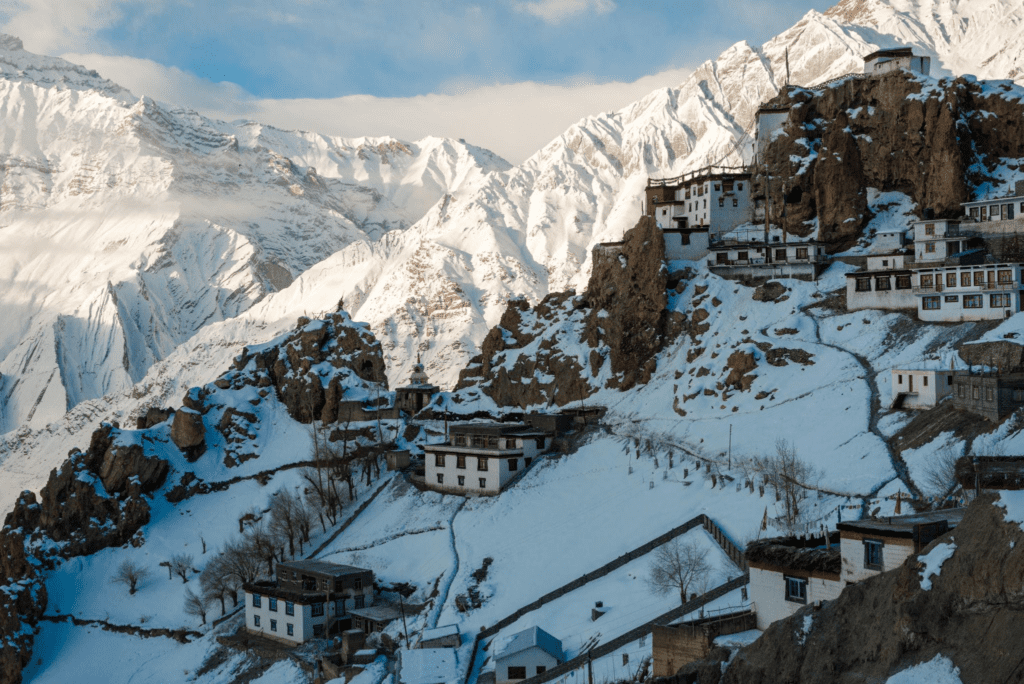
The off-season in Spiti Valley, from November to March, transforms the region into a silent, snow-covered wonderland. This is not the ideal time for casual tourists but a dream for adventure lovers and photographers.
Temperatures can drop to -20°C, especially in January and February. The Manali–Kaza route shuts completely due to heavy snowfall at high passes like Kunzum Pass, and access is usually possible only via the Shimla side (depending on weather conditions).
Spiti Valley in winter offers a raw and intense experience. Frozen rivers, snow-blanketed villages, and breathtaking white landscapes redefine the valley.
Temperature
Daytime: -5°C to 10°C
Nighttime: -20°C to -5°C
Activities
Winter homestays, snow leopard tracking, snow photography, sunrise and sunset views over snowy peaks.
Month-by-Month (Spiti Valley in Winter)
- November: Early snowfall, tourist activity drops
- December: Frozen rivers, limited homestays
- January: Extreme cold, minimal services
- February: Harsh winter, local festivals
- March: Gradual snowmelt in lower regions
Pros
Snow-covered beauty, magical photography, rare wildlife sightings
Cons
Extreme cold, limited facilities, risk of roadblocks, very few accommodations
What to Pack
Heavy winter jackets, thermal wear, insulated boots, gloves, woolen caps, power backup, medical supplies, and sufficient cash.